Auto Draft

The Hobby of Coin Collecting

Collecting Coins can be a very exciting hobby! Imagine the thrill of hunting down and finding that very last coin you need for your collection or maybe you’re more interested in the history as, in the case of “ancients” some coins can date back thousands of years.

Whatever the reason, coin collecting can be extremely fun and rewarding but it can also have a steep learning curve which includes learning about grading, variations of coins and spotting fakes. These are all skills that when developed will make you a smart coin buyer and collector. In this section of the website, we’ll explain the basics of these skills in order to give you a good start.

Grading 

A major part of being a coin collector is determining how much to pay for a coin, what is the coins value? Because the value of coins fluctuates greatly (and we do mean greatly) with condition, the need for third party grading services came about.

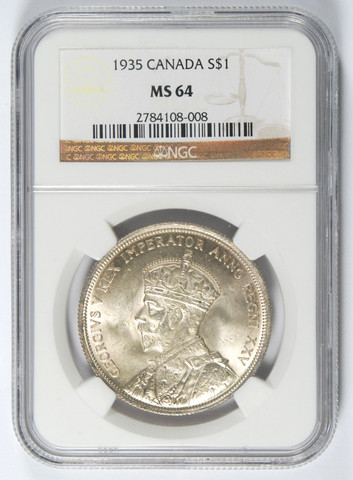
For a fee, dealers and collectors can submit coins and banknotes to a third party grading service and get an unbiased professional opinion on the grade (condition) of the coin.

The quality and strictness of the grading can vary greatly from one company to another. A coin graded by a company with a lower reputation may not received as high of a price as one graded by a lesser known company.

The Major grading companies in North America are PCGS, NGC, ICG, and ANACS which are American based but grade coins from all over the world.

In Canada, International Coin Certification Service ( I.C.C.S) and Canadian Coin Certification Service (CCCS) are the most well known third-party coin grading companies with ICCS being a very popular and respected grader of Canadian coins.

As shown below coins are normally graded using a 70 point system called the Sheldon Coin Grading Scale invented by William Herbert Sheldon.

grading scale

Valuation 

Learning the value of your coins can be a very rewarding yet complex adventure.

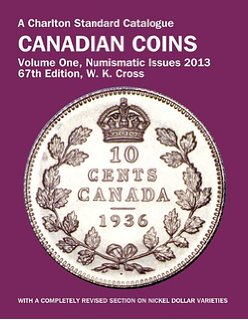
A few of the major ways to learn what coins are selling for are Coin catalogs and books from makers like Charlton (Canada) which produces volumes on Canadian Coin Prices each year. Other companies produce books for other Countries like the US Coin Red Book and US Coin Digest among others.

Another way to get an idea of what your coins are going for is to look at online auction sites such as ebay.ca, and looked at the listings that have sold (not the asking prices) to get an idea of what people are paying for a particular coin keeping in mind, like condition and grade is the key.

Keep in mind these are all retail prices, when selling your coins to a coin dealer or coin store, remember that dealers will typically buy coins at 40-50% of their resale value but may pay much more for higher value and hard to find coins.

I am text block. Click edit button to change this text. Lorem ipsum dolor sit amet, consectetur adipiscing elit. Ut elit tellus, luctus nec ullamcorper mattis, pulvinar dapibus leo.